Ringg City 30th Edition
Is AI pressure forcing a leadership rethink at Adobe?

RINGGCity
By RINGG AI
RINGGCity
By RINGG AI
Welcome back to RinggCity!
This week, the AI conversation feels a little less about flashy breakthroughs and a lot more about what happens when these systems meet the real world.
From leadership shakeups at major tech companies, to engineering teams hitting pause after AI-driven outages, to Silicon Valley experimenting with fleets of AI “interns,” the focus is shifting from possibility to practicality.
Like always, we’re bringing you the latest scoop in the tech biz.
Let’s get into it.
-Team Ringg
This week's
3 Big Questions.
Is AI pressure forcing a leadership rethink at Adobe?
Shantanu Narayen is set to step down as CEO of Adobe amid investor concerns about how the company is navigating the rapid rise of generative AI and increasing competition in creative tools.
Is Amazon’s code safety reset a warning about rushing AI code into production?
Amazon has ordered a company-wide 90-day “code safety reset” after AI-related outages and development errors, asking engineers and senior leaders to slow deployments and review how AI-generated code is shipped.
Are fleets of AI “interns” becoming Silicon Valley’s newest productivity experiment?
Developers are increasingly deploying multiple AI agents to handle tasks like coding, scheduling, and email responses, turning bots into virtual assistants that work continuously in the background.
Humour Box
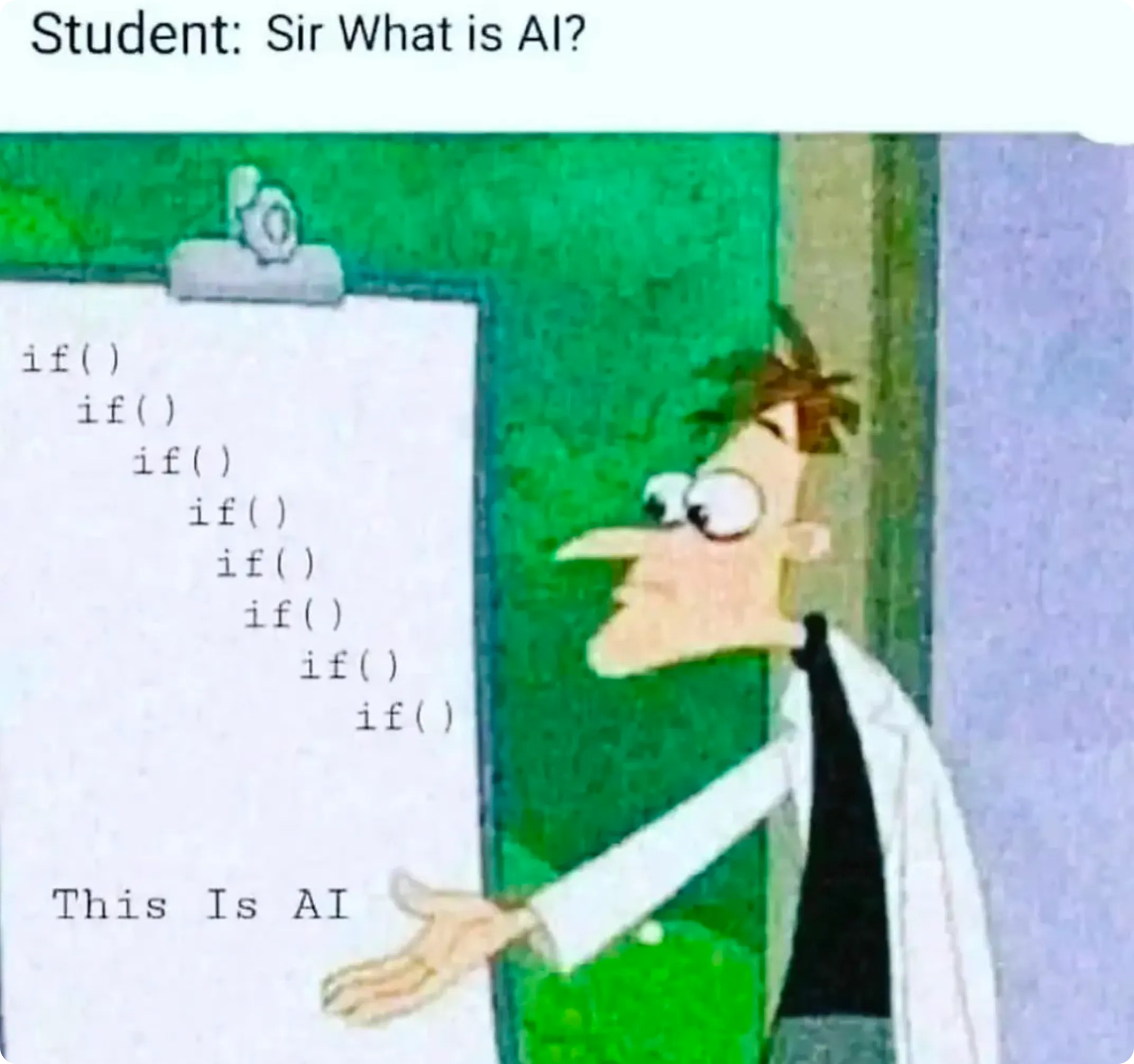
Companies are tightening code reviews and adding more safeguards as AI begins writing more production code.
Turns out the best way to supervise AI… is still two slightly stressed humans. 🤖
Quick Bytes

Prompt
“Here’s a task I’m working on. Suggest three faster ways to achieve the same outcome using AI.”

AI Jargon
Retrieval
A technique where an AI system pulls relevant information from external sources, like documents or databases, before generating a response.

Reccos
Listen: a16z Podcast
A deep dive into how emerging technologies move from research labs to real markets. Especially useful for founders trying to understand how AI shifts industries, incentives, and business models.

Bonus Byte
Anthropic is pushing the idea of “constitutional AI,” where models follow a set of guiding principles instead of relying only on human feedback. Teaching AI values is quickly becoming as important as improving capability.
Tool Bench

Arc Browser
What it is:
A productivity-focused browser designed to organise your internet workspace with built-in tabs, notes, and split views instead of the traditional cluttered tab bar.
How you can use it:
Group related tabs into workspaces, pin important pages, and quickly switch between projects without losing context. It also includes built-in tools like screen capture, quick notes, and AI-powered browsing assistance.
Good for you if:
You live in your browser all day and want a cleaner way to manage dozens of tabs, projects, and workflows without constantly getting lost in tab chaos.
Ringg Lens

When AI Code Breaks the Retail Engine
Amazon’s 90-day “code safety reset” comes after a string of outages that directly disrupted customer orders. One incident on March 2 caused incorrect delivery times at checkout, leading to about 1.6 million errors and roughly 120,000 lost orders across Amazon’s global marketplaces. A second outage days later resulted in 6.3 million lost orders. With AI-assisted tools like Amazon’s coding assistant Q enabling engineers to ship more code faster, the company is now pausing to stabilise the systems that directly affect customers.
What Ringg thinks:
The 90-day reset introduces stricter guardrails: additional approvals, stronger documentation, mandatory peer reviews, and more rigorous reliability testing before code goes live. The lesson goes beyond Amazon. AI may accelerate development, but large-scale systems that power commerce, payments, and logistics still require strict engineering hygiene. At this scale, speed cannot come at the cost of stability. Whether code is written by humans or generated with AI, disciplined review and testing remain the foundation of reliable technology.