Manual vs Automated Calls in Startups: The Real Cost
Manual vs automated calls in startups: which saves more time & money? See data, real cases, & why founders switch to Ringg AI for call automation.





If you run a startup, you have probably had this debate: manual vs automated calls. Do you stick to manual calling yourself (or hire people), or do you let an AI handle the heavy lifting?
The answer matters more than most founders think. Every hour you or your team spends on manual dialing is an hour not spent on product, growth, or closing deals. In the battle of manual vs automated calls in startups, efficiency is key. And every rupee/dollar spent on manual methods quickly adds up – often faster than expected.
The Hidden Cost of Manual Calls
Whether you are running outbound sales or customer support, the costs of manual tasks are often invisible until they hurt your bottom line. Let’s break it down:
- Cost per call: According to Sales Hacker, a sales rep costs ~$25 per manual call on average (salary, training, benefits factored). Even at a lean startup rate, this usually sits between ₹40–₹60 per call in India.
- Scale problem: A few calls a day feel fine. But once you hit 500–1000 calls per week (for customer support, demos, appointment reminders), costs and fatigue multiply. Manual dialing forces agents to deal with busy signals, unanswered calls, and busy tones, leading to massive idle time.
- Human errors: Missed follow-ups, inconsistent tone, or just low energy on call 28 of the day; all impact customer experience.
A 2022 HubSpot study found that 64% of customers stop engaging after a poor first support interaction. With manual calls, that risk is always higher.
Why Automated Calls Change the Game
With voice AI agents like Ringg AI, startups can automate calls that used to drain time and money. This is where call automation for startups truly shines, moving beyond the limitations of a standard auto dialer.
- Cost savings: Automated calls cost 70–80% less per call than manual ones. Instead of ₹50 per call, you can drop below ₹10. This significantly lowers call costs for small businesses.
- Consistency: The tone, accuracy, and speed stay the same for call #1 or call #1000. Unlike manual methods, AI ensures every customer interaction is perfect.
- Scale instantly: Whether you need to handle 100 or 10,000 calls in a day, you don’t have to hire, train, or manage reps. You can handle large call volumes without worrying about agent availability.
Think of it this way: the moment you realize your competitor’s landing page converts better than yours, you scramble to fix it. Why wouldn’t you apply the same urgency to calls, one of the most direct touchpoints with your customers?
A Real Case in Point
- Take the case of Byju’s, India’s EdTech giant. In their early days, scaling manual sales calls cost them millions, and they eventually shifted to automation for reminders and follow-ups.
While Ringg AI wasn’t around back then, founders today don’t have to burn through the same mistakes; automation is available from day one. - Or look at Ola’s customer support. Once notorious for inconsistent call handling, their investment in automation saved 30-40% of support costs (as reported by ET Tech). This proves that regardless of the use cases, automation offers a competitive edge
| Also read: AI Voice In Startups Operational Challenges
The data is clear: manual calls vs automated calls isn’t a fair fight anymore. Modern call center software utilizing AI simply offers a more efficient way to manage high-volume outbound campaigns.

For Startup Founders, the Choice is Simple
If you are a founder, here’s the trade-off:
Manual calls = Burn money, drain energy, inconsistent CX.
Automated calls = Save costs, scale fast, build trust.

The question isn’t if you should switch – it’s how soon. The earlier you make the switch, the faster you unlock bandwidth for what actually grows your company.
Talk to Ringg AI today and see how you can cut call costs by 70% in the next 30 days.
Frequently Asked Questions
Manual dialing requires a human agent to physically look up a phone number and enter the digits one by one on a keypad or click-to-call interface, which involves significant downtime between calls due to ringing, busy signals, and manual logging. Auto dialing uses software to automatically call numbers from a pre-loaded list in rapid succession, filtering out busy signals and voicemail boxes so that the live agent or AI voice assistant is only connected when a real person answers the phone.
Related Articles
Lindy AI Pricing: A Guide For 2026 [+ The Hidden Cost of Credits]
Compare Lindy AI’s credit-based pricing model with Ringg AI’s flat per-minute rates. Find the best value for your business.
AI vs Humans: Why & How AI Customer Support is Winning
AI vs human intelligence: Learn why customers now prefer AI over humans and how both can work together for optimal results.
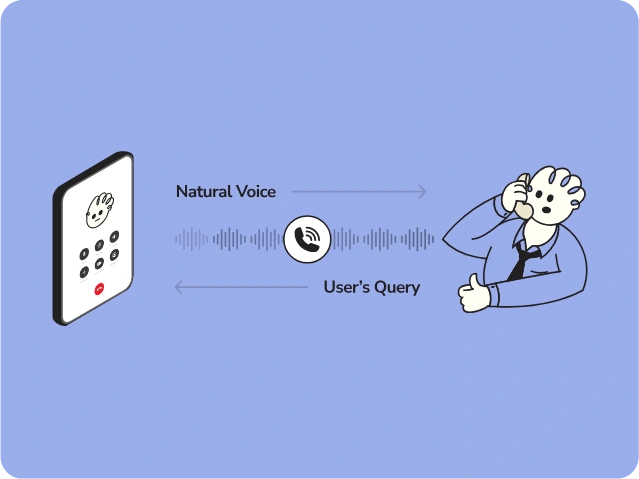
Voice AI Technology in 2026: How AI Assistants Transform Speech-to-Conversation
Convert words into natural conversations using speech-to-conversation AI in 2026. Explore the architecture, process, and applications of voice AI technology.